

Grattan House, Dublin 7
Brown-to-Green Office Repositioning & Extension
Dobbin+Company Architects transformed a carbon-intensive commercial building into a sustainable office space, integrating innovative design with environmental responsibility.
Planning Consent Granted — Statutory Period
The building and the brief
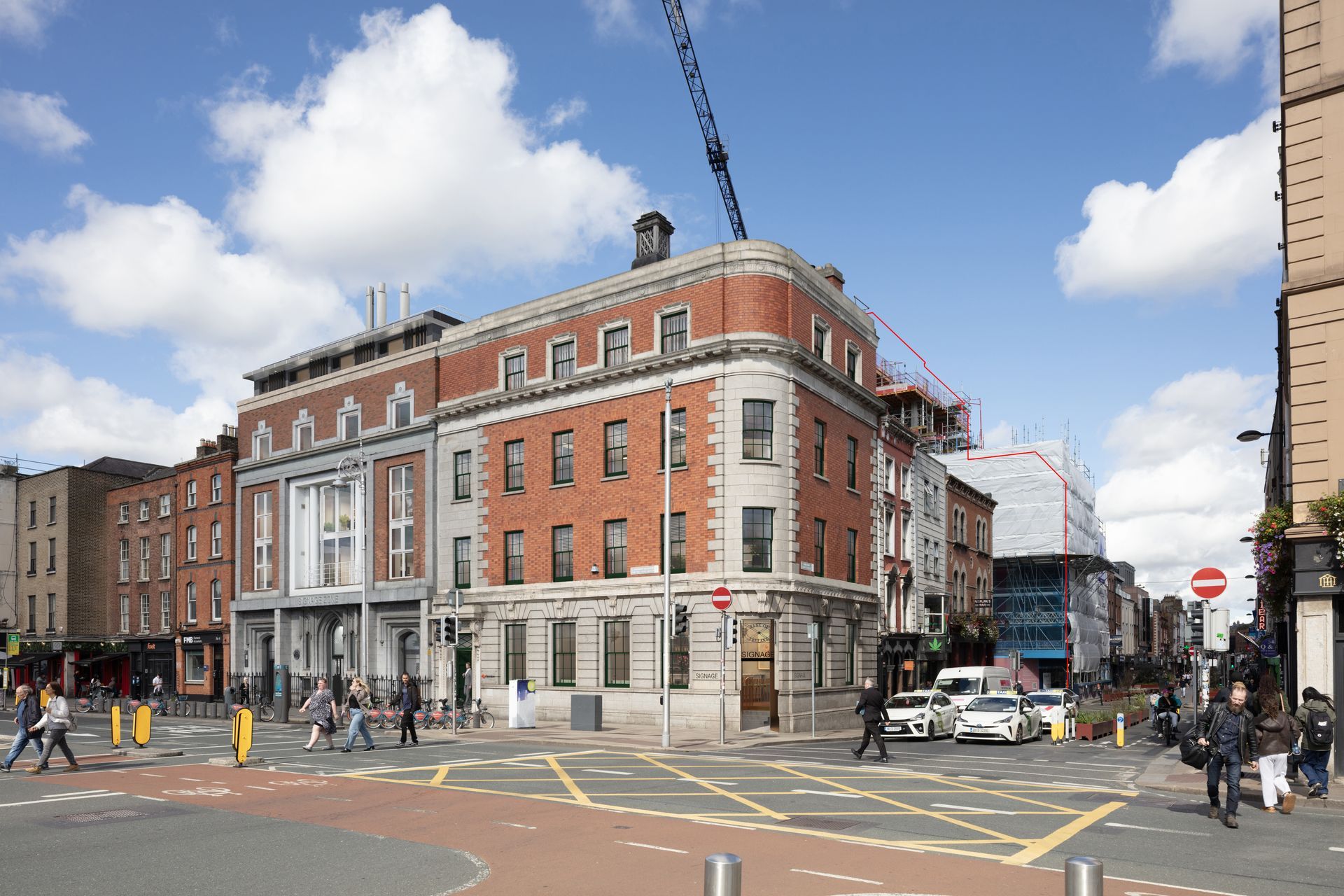
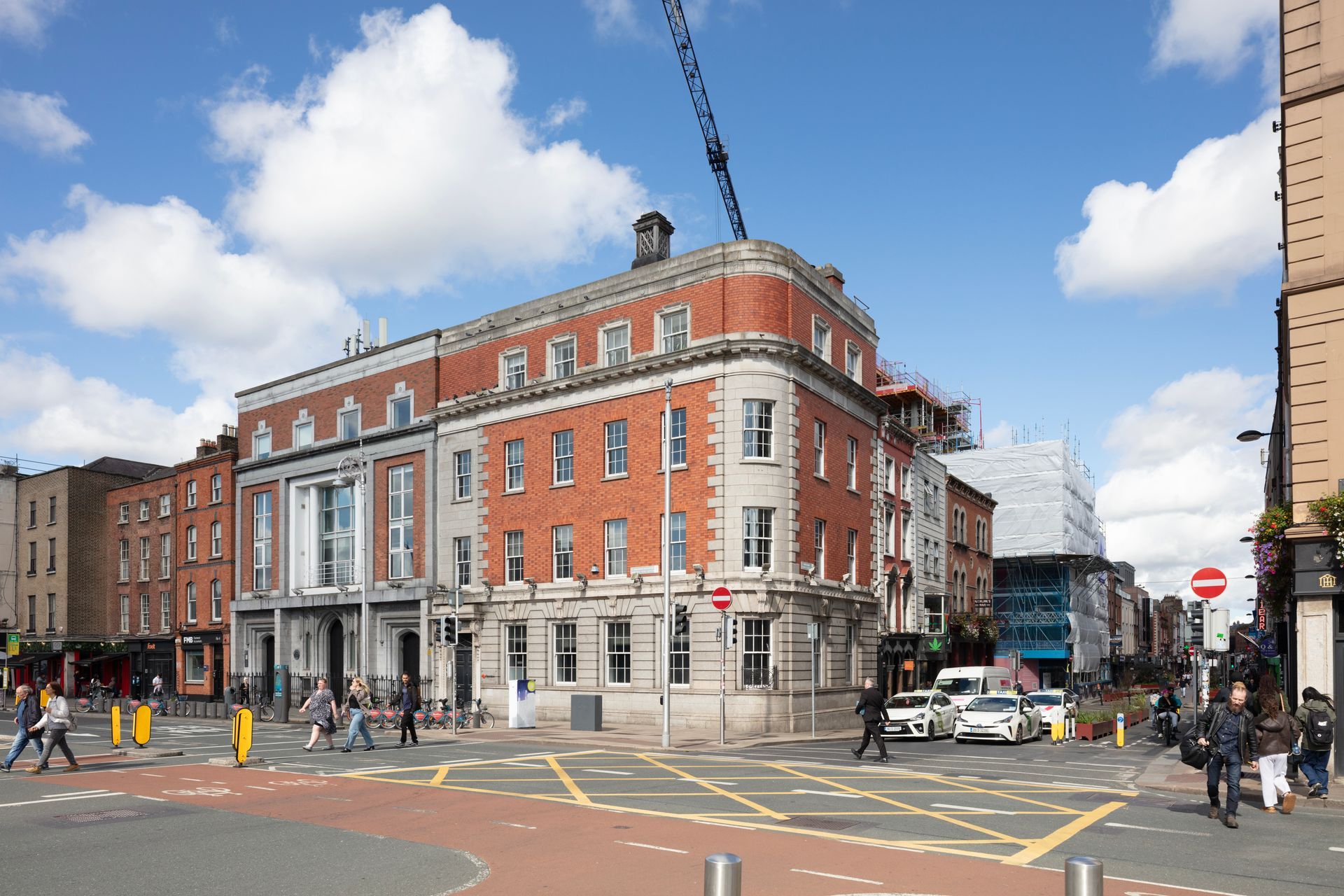
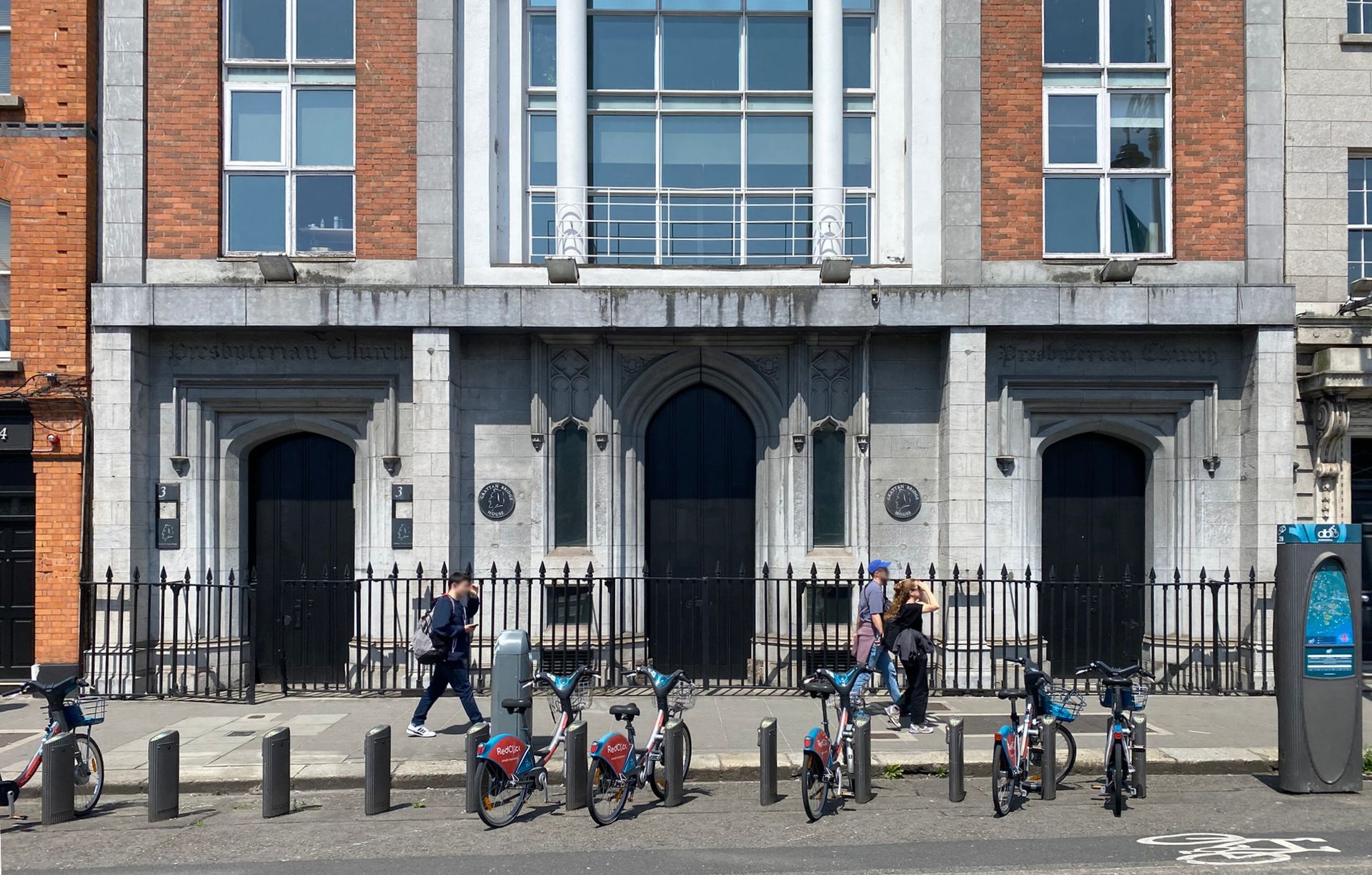
Grattan House sits on Ormond Quay, facing the River Liffey in Dublin 7 — a prominent address in one of the city's most historically layered streetscapes. Like many commercial buildings of its era, it had reached a point of inflection: ageing building fabric, end-of-life mechanical and electrical services, and a specification that no longer met the expectations of the contemporary office market. For its owner, the choice was stark — allow further deterioration, or find a route to comprehensive reinvention.
The brief we received from our client, a Private Real Estate Trust, was ambitious in scope but grounded in commercial reality. The Trust needed a building that could perform at the top of the market: energy-efficient, architecturally distinctive, and capable of attracting the calibre of occupier that a Liffey-side address deserves. Crucially, the project also had to unlock available sustainability funding, making the economics of refurbishment viable rather than aspirational.
Dobbin + Company Architects were appointed to navigate that complexity — and to do so within a planning framework that would give the client the certainty they needed to proceed.
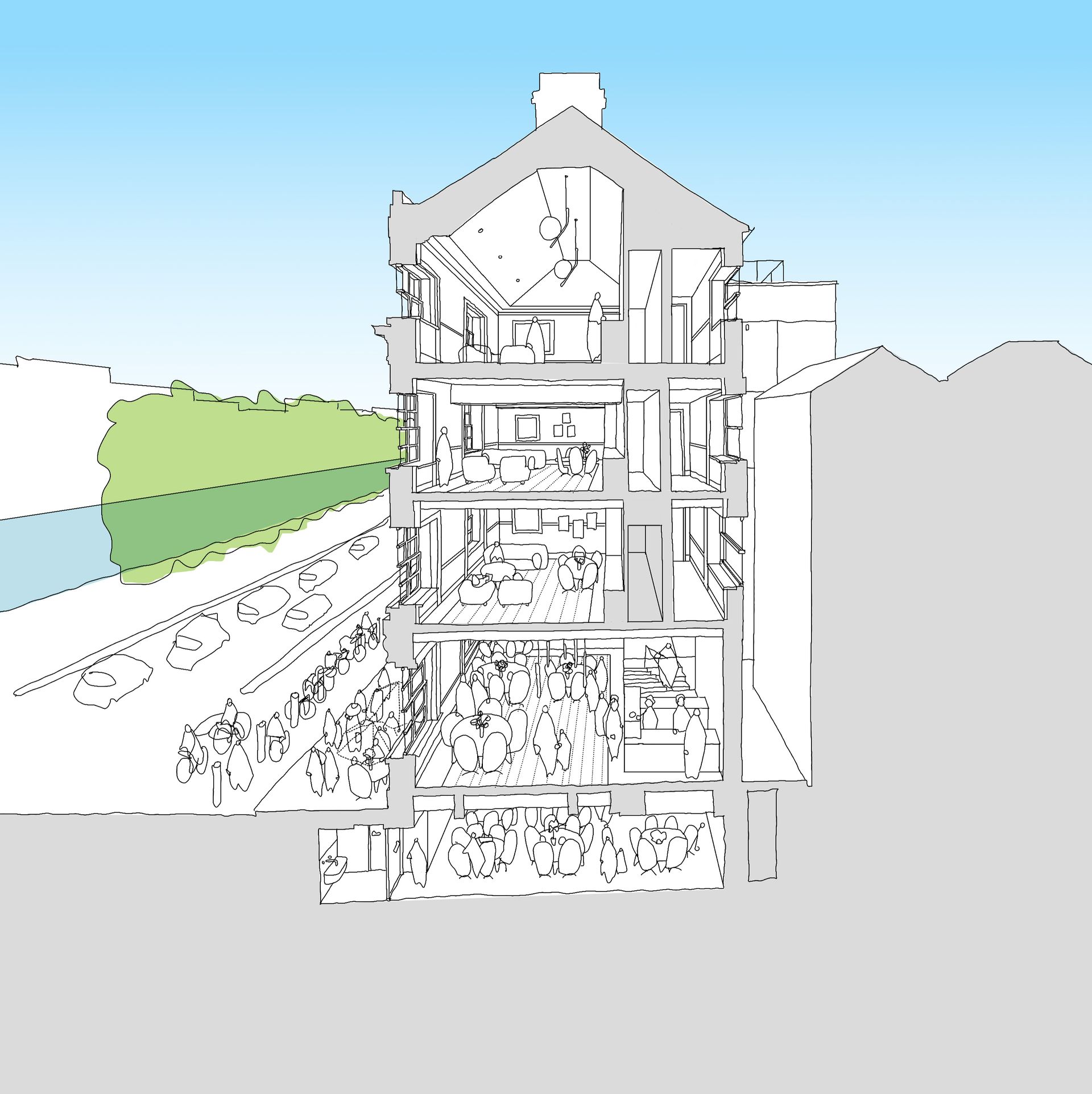
A Liffey View
A prominent address in Dublin 7
The design approach
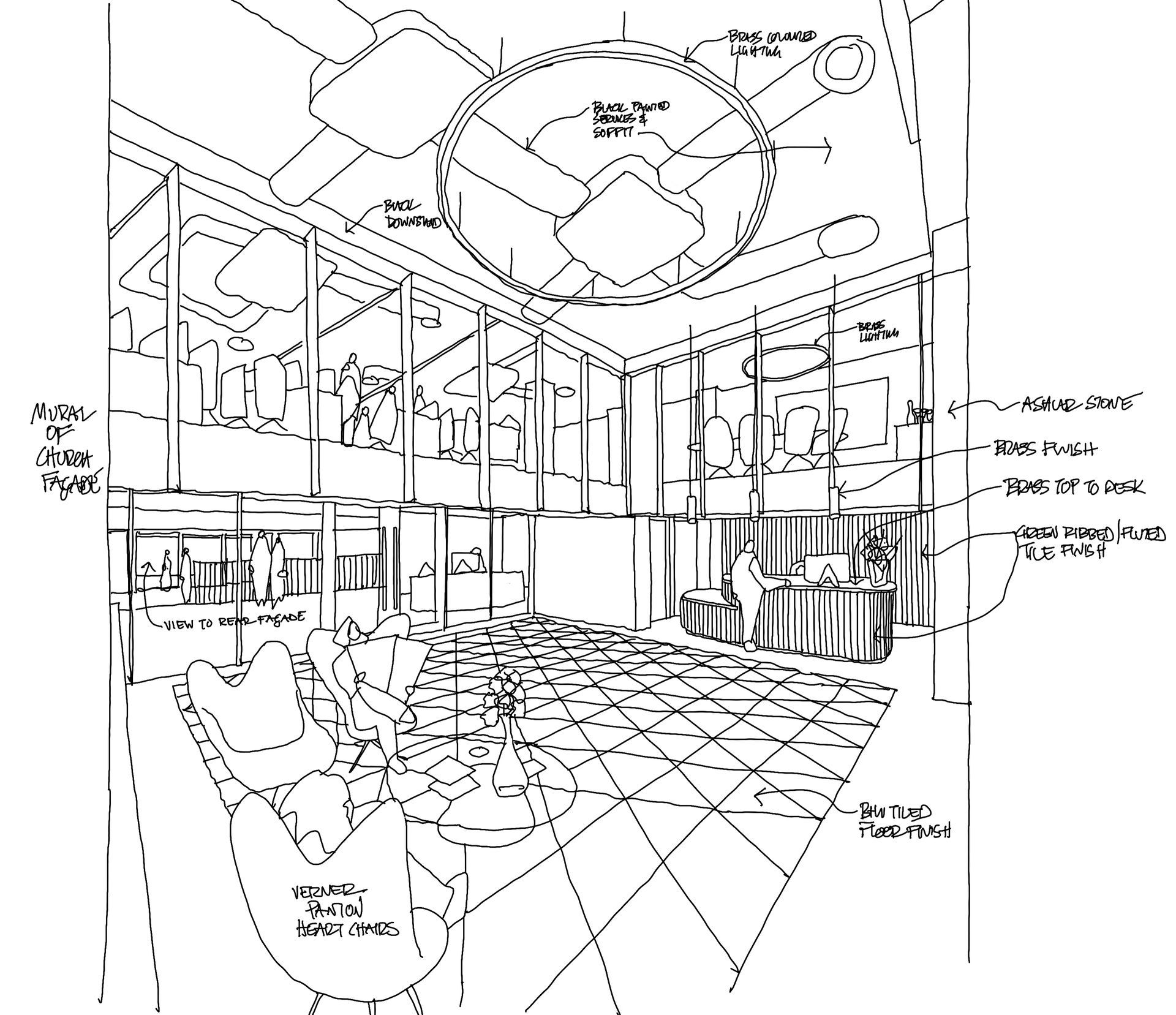
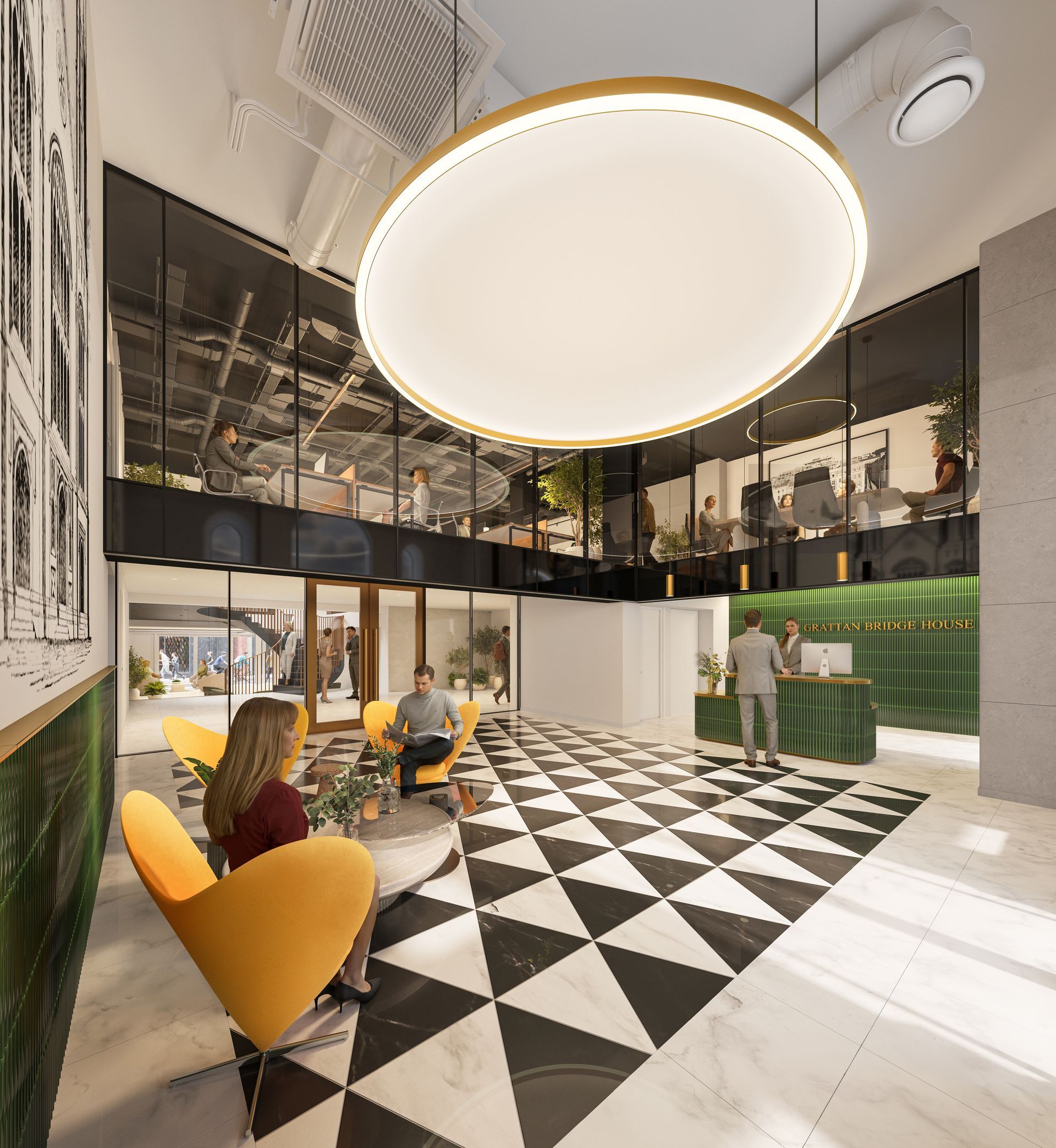
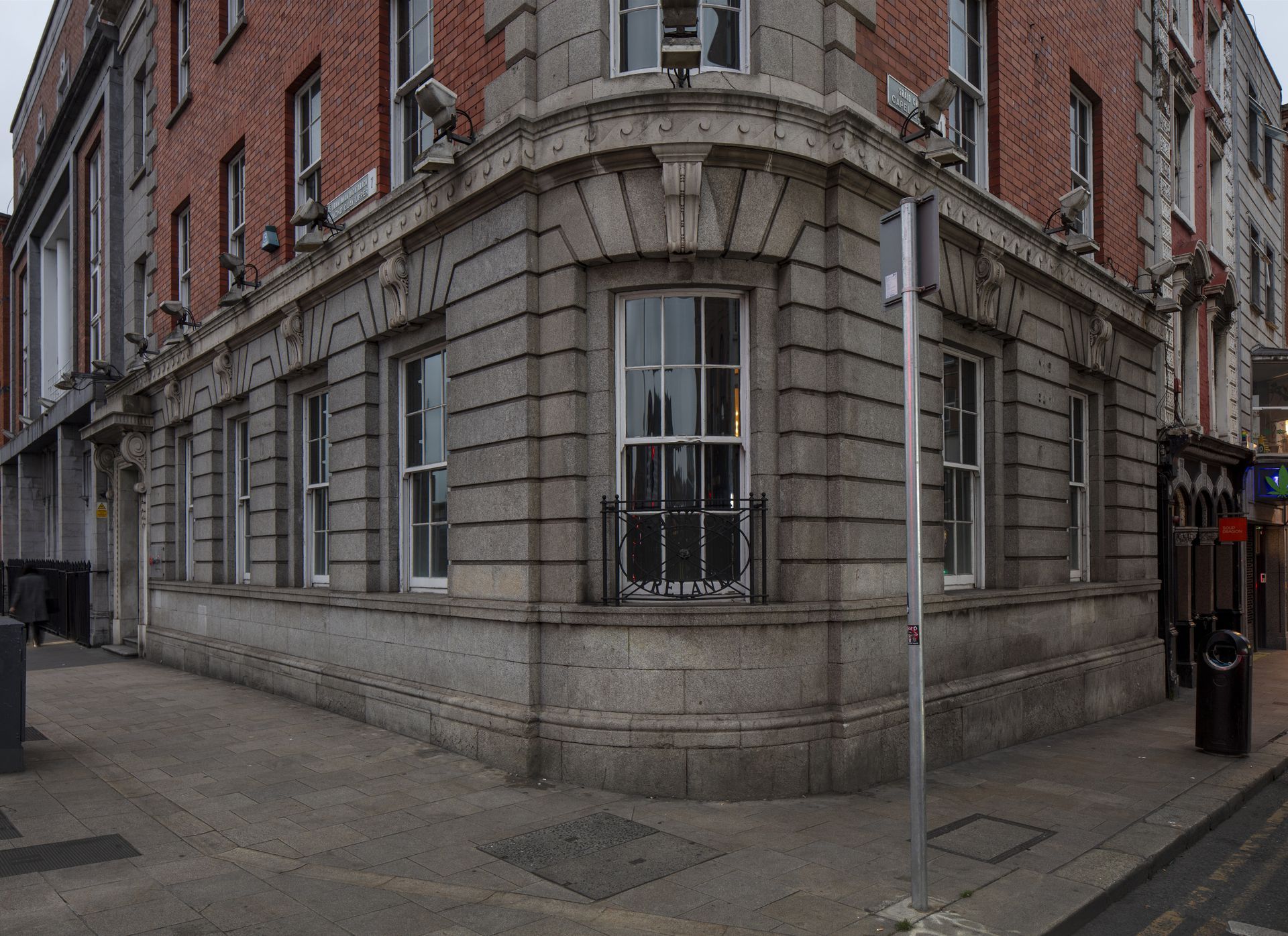
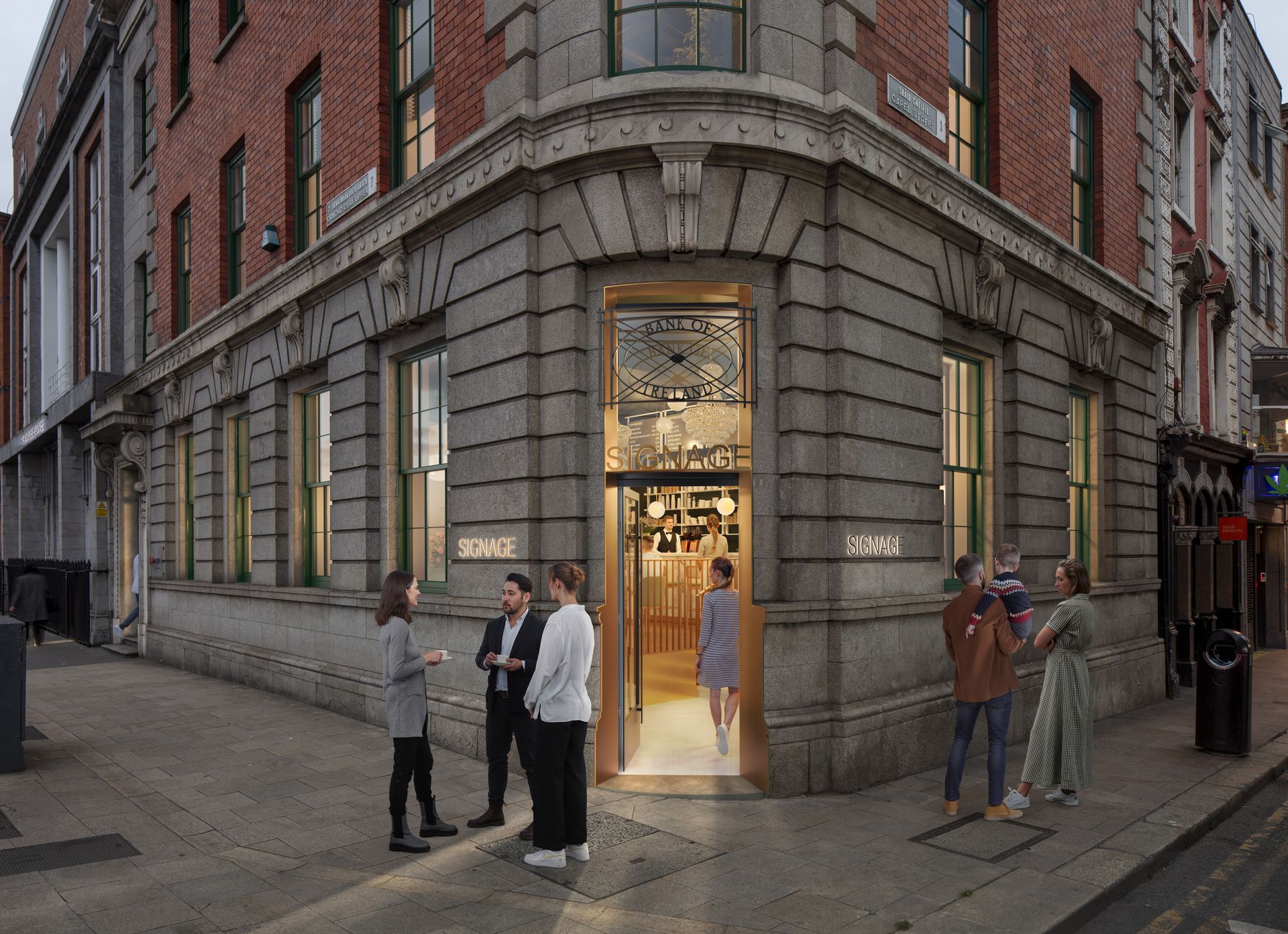
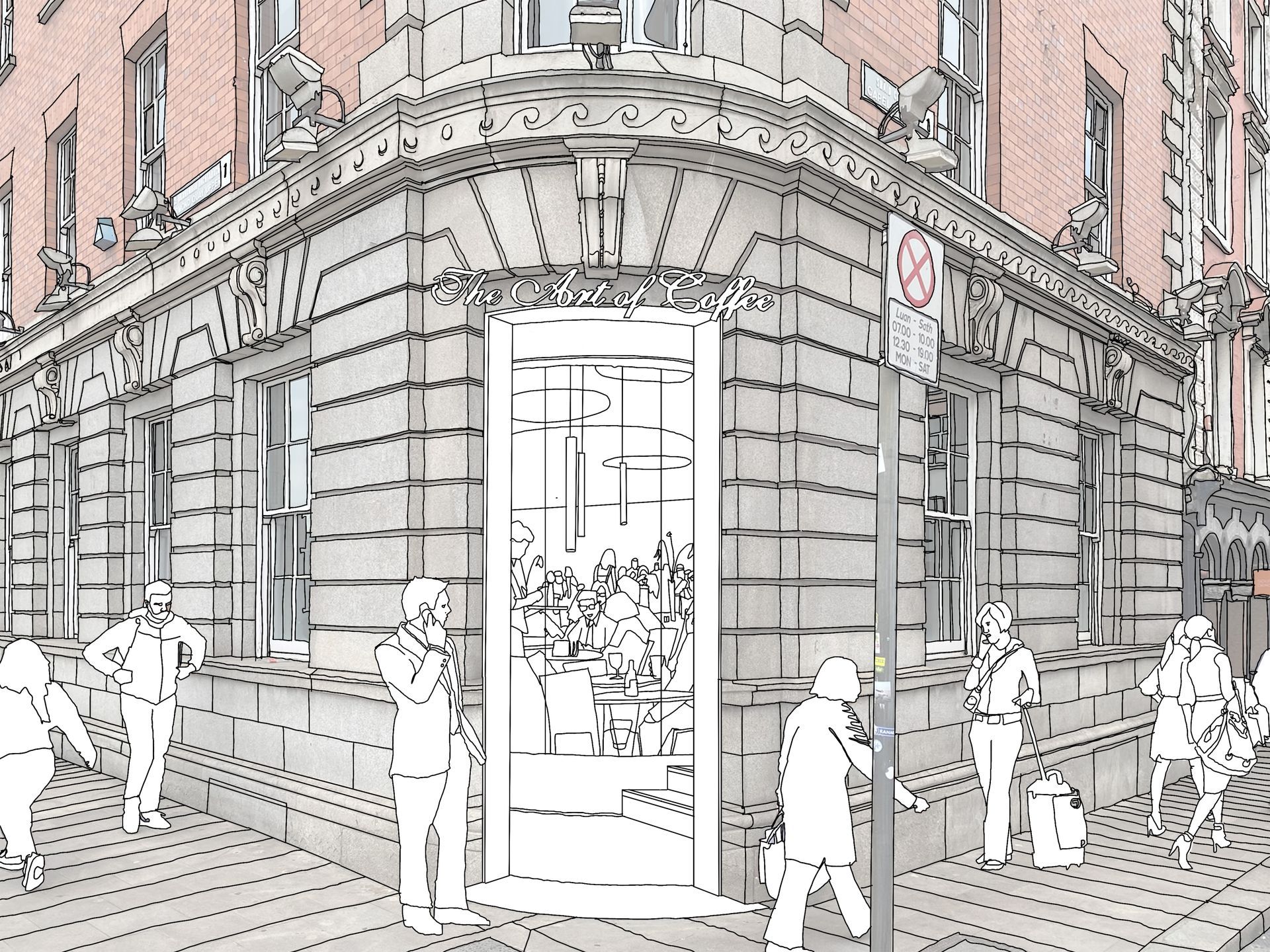
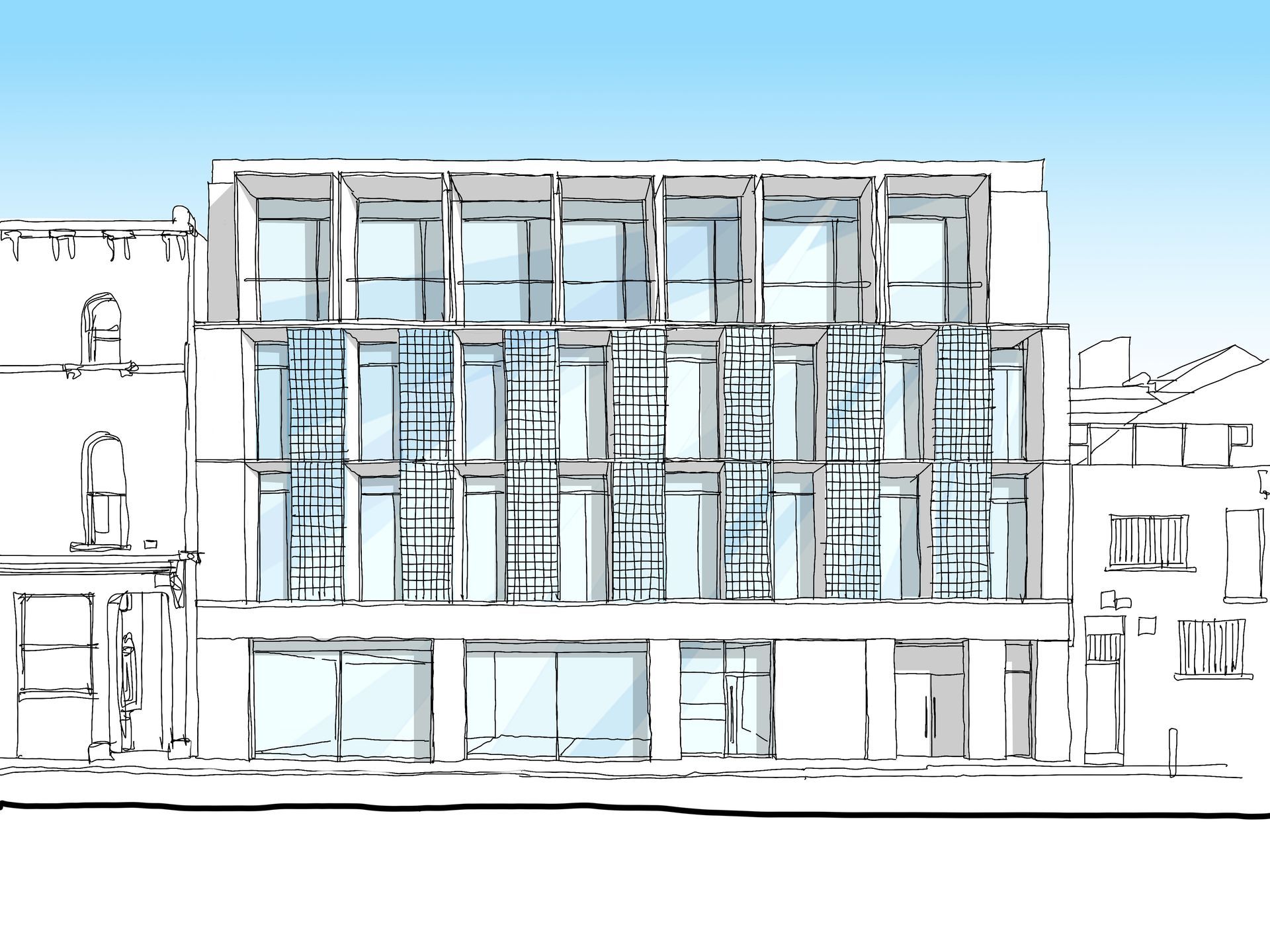
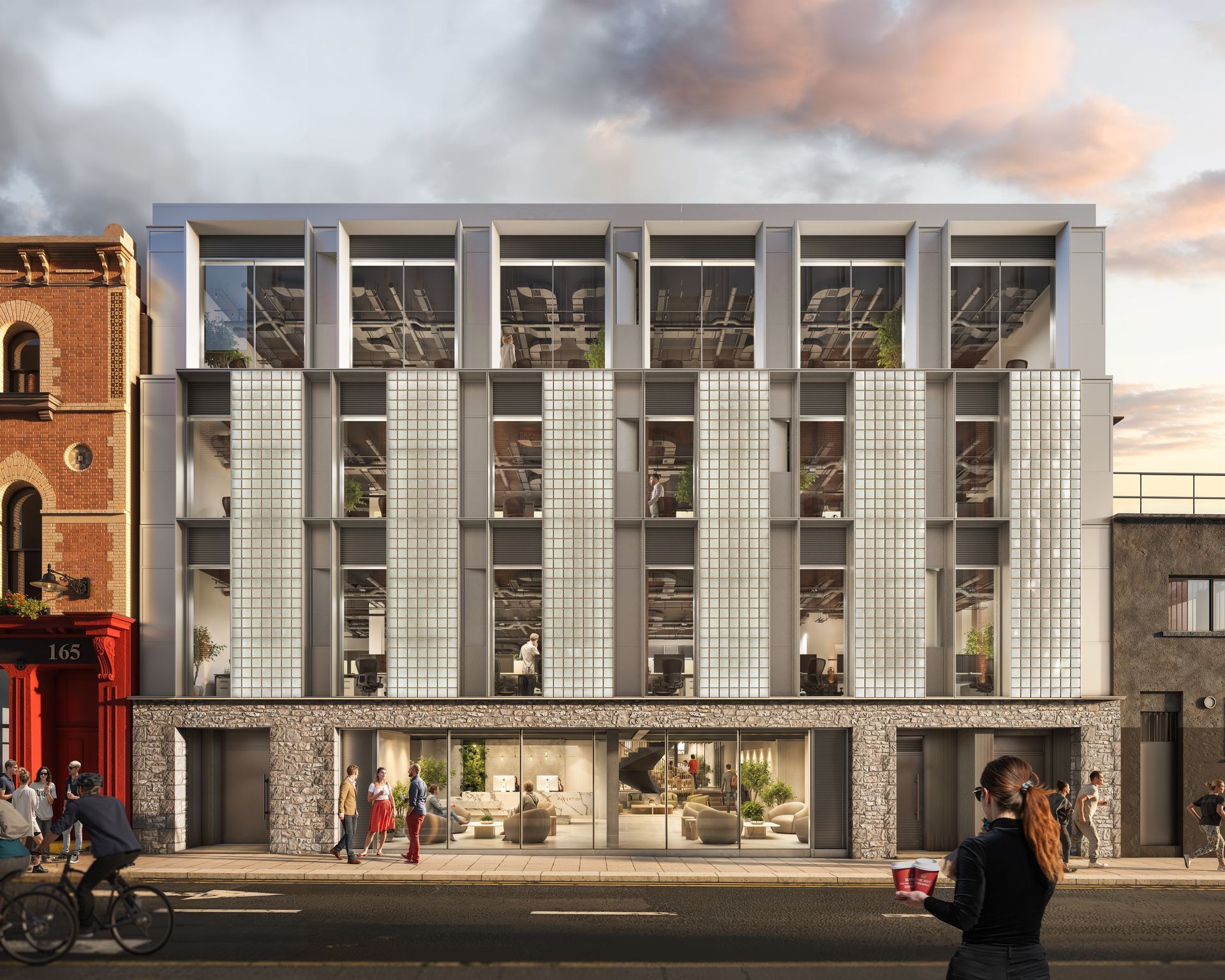
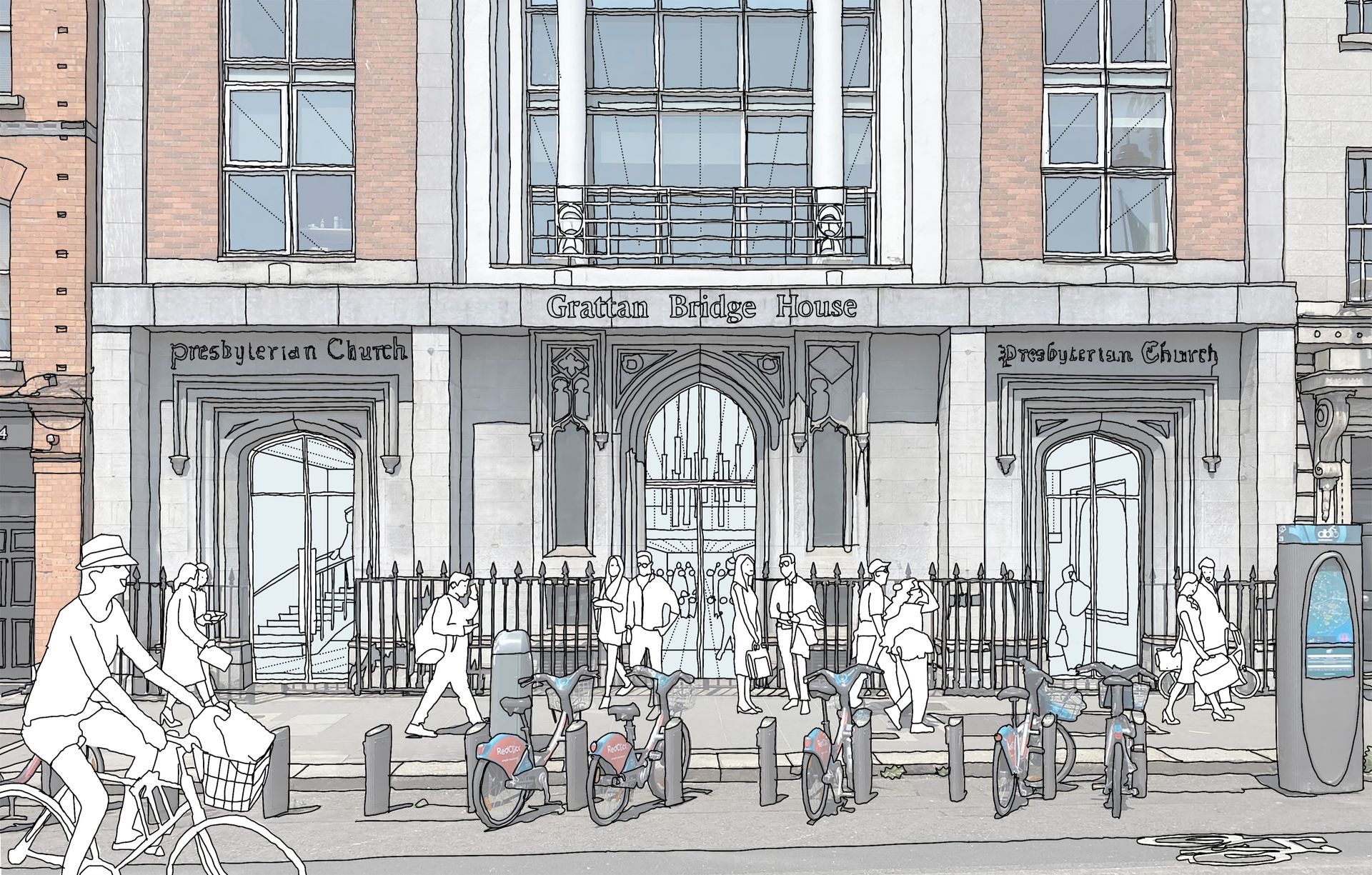
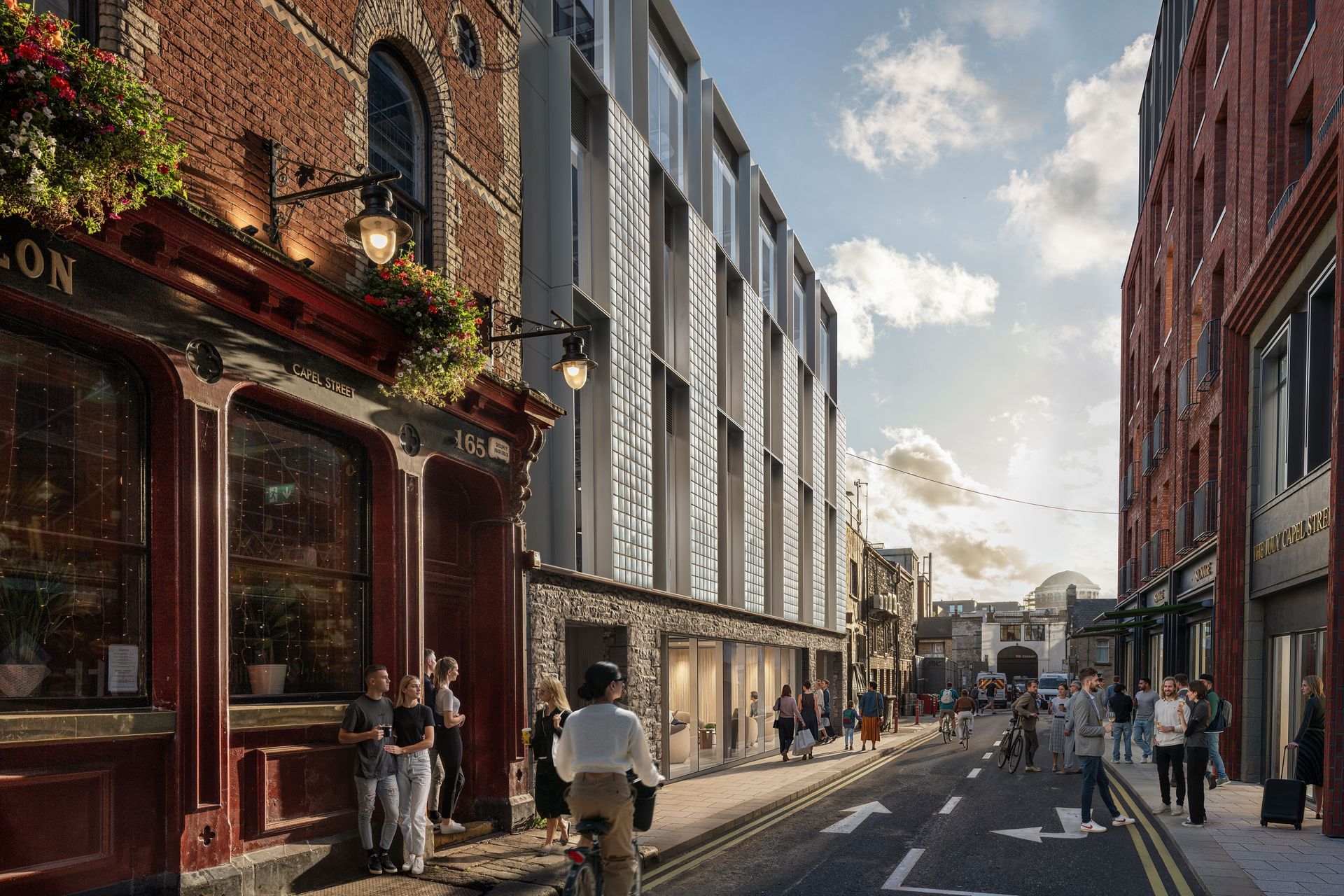
Our starting point was the building's position: a river-facing site on a protected streetscape, with significant public visibility and a civic responsibility to the quayside. Rather than treating these as constraints, we treated them as the brief. A building that gives generously to the street — through improved ground-floor activation, a considered public realm interface, and an architectural expression worthy of its address — is a building that earns its place in the city.
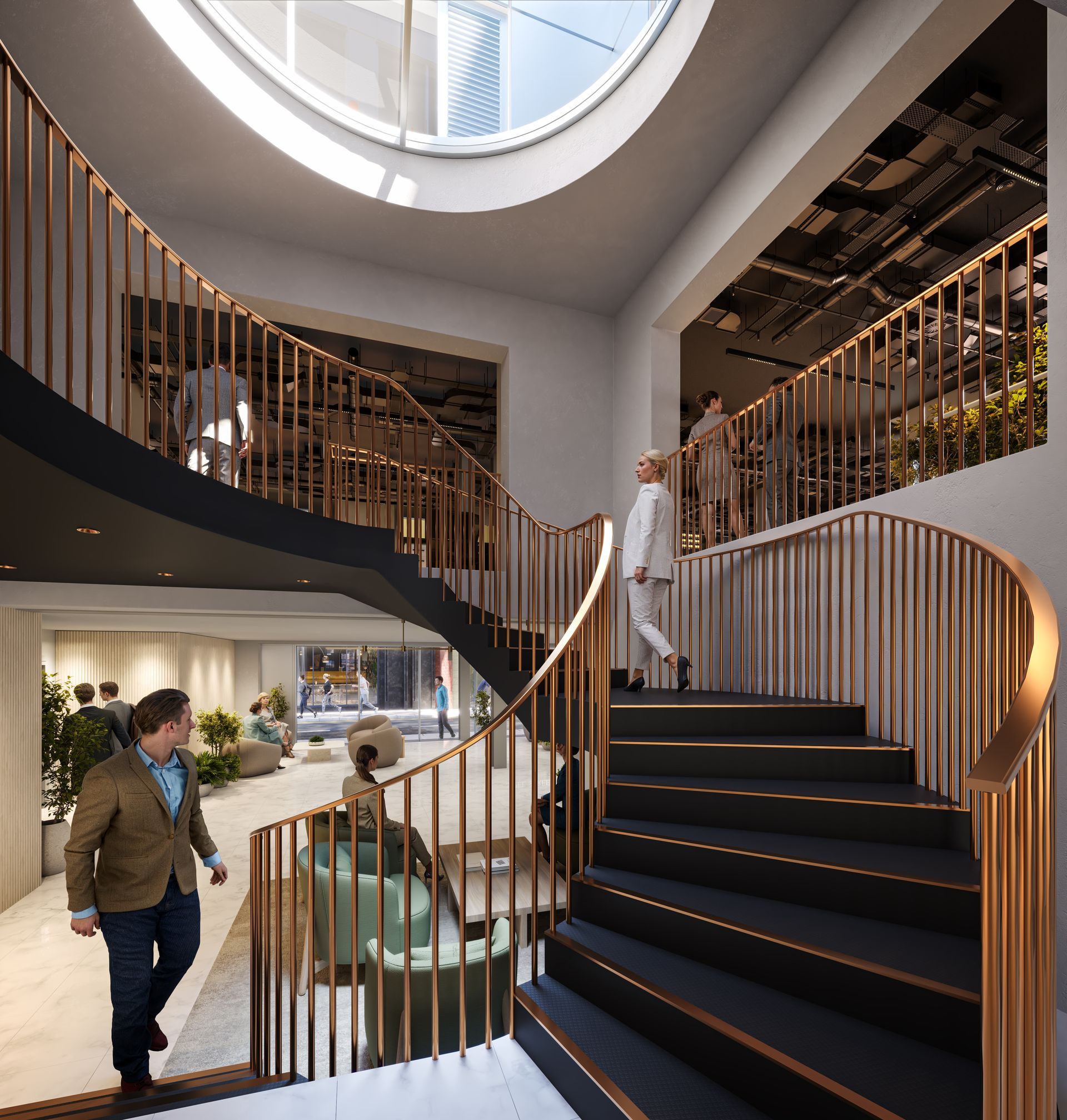
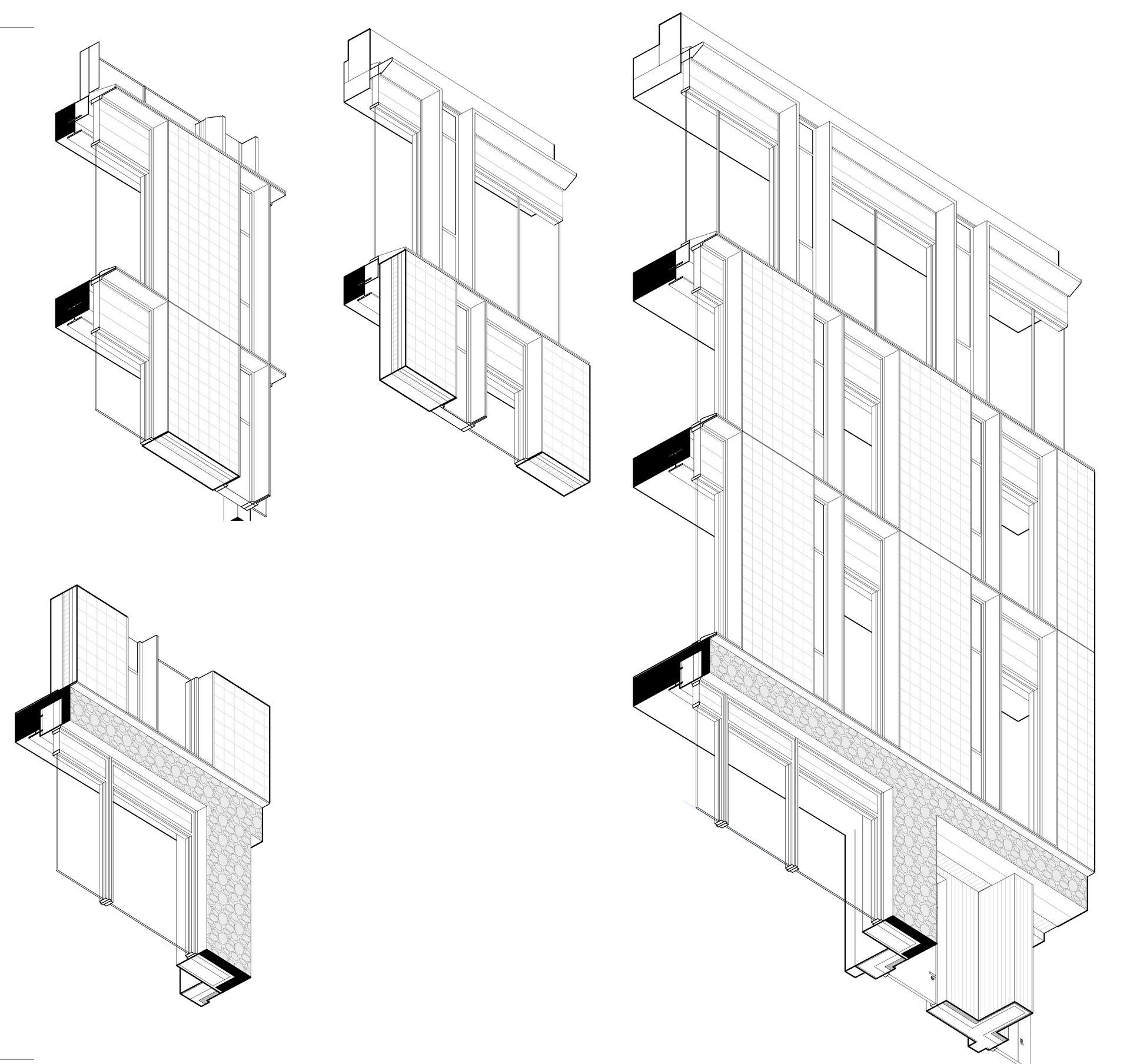
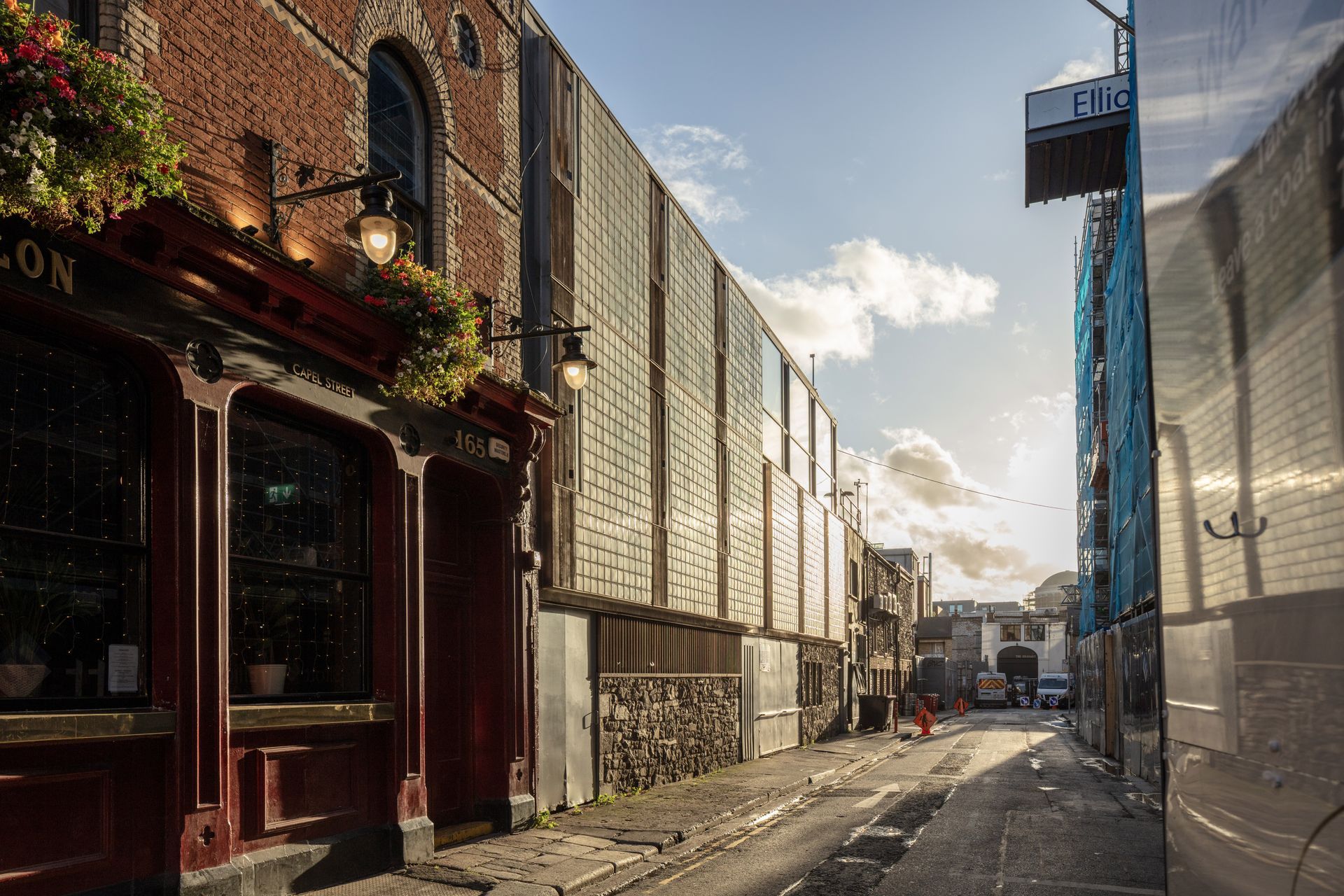
The refurbishment strategy combined full MEP replacement and reengineering with a fabric-first approach to energy performance. The extension, carefully calibrated in massing and materiality, adds floor area without compromising the coherence of the existing building or the character of the streetscape. Together, refurbishment and extension work to produce a scheme with a BER A3 rating — a significant uplift from the building's baseline, and a credential increasingly demanded by institutional occupiers.
Accessing sustainability funding was integral to the project's financial structure from the outset. We worked with the Trust to identify and navigate the appropriate funding routes, ensuring the scheme was structured to satisfy the criteria that unlock that support. This is not an afterthought — it is a core part of the service we provide on projects of this type.
Planning — and why it matters...
Grattan House received its first planning consent within the statutory planning period. For a scheme of this scale and complexity — city centre location, protected streetscape, significant extension, sustainability-led brief — this is an unusual outcome, and one we are proud of.
It matters because planning uncertainty is one of the principal risks in commercial refurbishment. Delays cost money, erode investor confidence, and frequently cause otherwise viable projects to stall. Our approach to planning — a thorough pre-application process, design decisions made with the planning context in mind from day one, and a submission prepared to the standard the planning authority expects — is specifically designed to reduce that risk.
The statutory consent at Grattan House is evidence that this approach works.
What this means for similar assets
There is a significant stock of Dublin office buildings in an analogous position to Grattan House: well-located, structurally sound, but underperforming relative to their potential. The combination of ageing services, poor energy ratings, and a changed occupier market has left many of these assets stranded — too costly to maintain in current form, but apparently too complex to reinvent.
We believe this is a solvable problem. The planning appetite for well-designed brown-to-green refurbishment is real. Sustainability funding exists and is accessible to projects structured correctly. The demand for high-quality, energy-efficient office space in good Dublin locations is sustained. What these projects require is an architectural practice with the expertise to bring all of those conditions together — in the design, in the planning strategy, and in the financial framework.
Grattan House demonstrates that it can be done.
Highlighted achievements by the numbers...
A summary of the key scheme criteria for the project
A3 BER
BER Energy Rating Target
12 Weeks
Programme to Consent Achieved
€40psf
Target Renovated Rental Levels
75% C02 Saving
Saving in C02 Emissions per year
If you own or manage a building like this, we would welcome a conversation...

Dobbin + Company Architects — Dublin
Project Description
Client: Private Real Estate Trust | Project status: Planning consent granted | Services: Feasibility, architectural design, planning, sustainability strategy, sustainability funding navigation, interior design | Location: Ormond Quay, Dublin 7 | Programme: Consent achieved within statutory planning period | Target rating: BER A3